Medicare
Health Insurance
What is Medicare?
Medicare is health insurance for:
People 65 or older
Certain people under 65 with disabilities
People of any age with End-Stage Renal Disease (ESRD) (permanent kidney failure requiring dialysis or a kidney transplant).
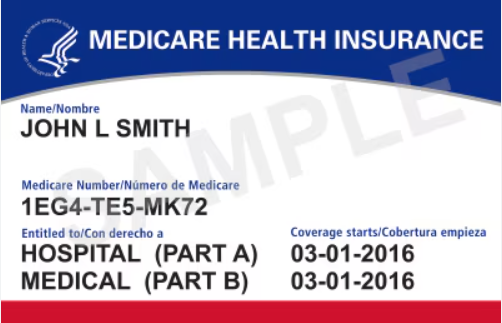
Part A: Hospital/Inpatient Care.
Most people pay $0 for Part A.
Part B: Medical/Outpatient Care.
In 2026, most people pay $202.90/month.
Part D: Prescription Drug Coverage.
Premiums vary in cost from $7/month and up. The average cost is $34.50/month.
What are the parts of Medicare?

Medicare is great insurance; you’ve paid into it for nearly your entire life and now it’s finally time to cash in!
It’s important to know that Medicare does not cover 100% of your healthcare expenses, the good news is you have options.
Understanding your Medicare plan options will help you get the coverage that works best for you.
What are my Medicare options?
When you first sign up for Medicare, and during certain times of the year, you can choose how you get your Medicare coverage.
There are 2 main ways to get Medicare (2 Paths):
Path 1: Original Medicare
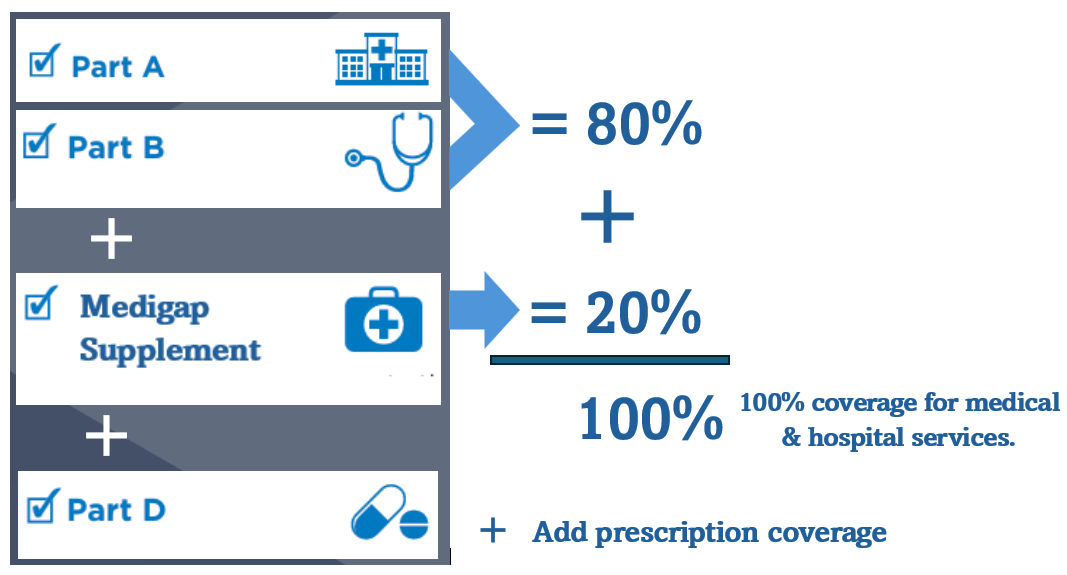
Original Medicare includes:
Parts A and B.
You must add a Part D drug plan and
a Medigap (Medicare Supplement) policy to help pay for the 20% coinsurance that Original Medicare doesn't cover.
Path 2: Medicare Advantage
Medicare Advantage (also known as Part C)
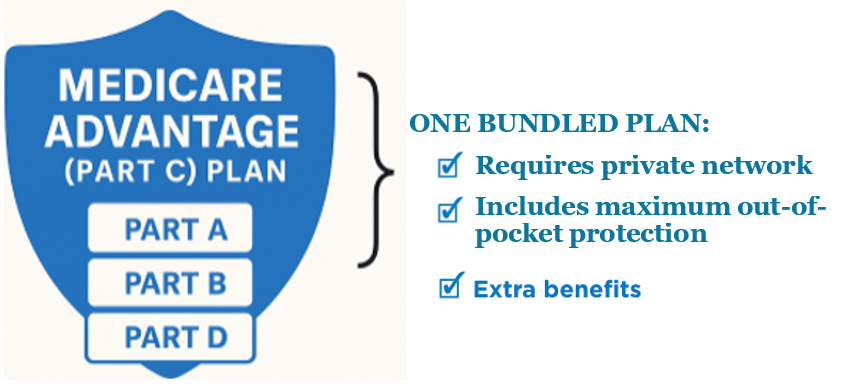
A Medicare Advantage (Part C) plan is a Medicare-approved plan from a private company that offers a "bundled" alternative to Original Medicare.
Includes:
Part A, Part B, and Part D.
A private network: Requiring you to use a specific network of doctors and get approval for certain drugs or services.
A limit on out-of-pocket costs so you don’t need to buy supplemental coverage like Medigap.
Often include extra perks that Original Medicare does not cover, like dental, vision, transportation and more.